Olive oil for hair has been a time-honored beauty secret that dates back thousands of years, offering a natural solution for those struggling with dull, damaged, or thinning locks. This golden elixir, extracted from the fruit of Olea europaea, contains a powerhouse of nutrients, antioxidants, and fatty acids that can transform your hair from lackluster to lustrous. Whether you’re battling frizz, seeking to stimulate growth, or simply aiming to maintain healthy tresses, this Mediterranean marvel might be the answer you’ve been searching for. In this comprehensive guide, we’ll explore how this humble kitchen staple can revolutionize your hair care routine and reveal the luscious locks you’ve always desired.
The Science Behind Olive Oil’s Hair Revitalizing Properties

The remarkable effectiveness of olive oil in hair care stems from its unique chemical composition. Rich in oleic acid, palmitic acid, and squalene, this natural oil penetrates the hair shaft more deeply than many other oils, providing nourishment from within. Additionally, the presence of vitamins E and K, along with powerful antioxidants like polyphenols, work together to combat free radical damage that can lead to hair aging and deterioration. When applied correctly, these components create a protective barrier around each strand, sealing in moisture and preventing environmental damage while simultaneously strengthening the hair structure from the inside out.
What makes olive oil composition unique compared to other hair oils?
Olive oil stands out from other hair oils due to its high concentration of oleic acid, comprising approximately 55-83% of its total fatty acid content. This monounsaturated fatty acid has a smaller molecular structure than many other oils, allowing it to penetrate the hair cuticle more effectively. Unlike coconut oil, which primarily contains lauric acid, or argan oil with its high linoleic acid content, olive oil’s specific balance of fatty acids makes it exceptionally moisturizing without being overly heavy. Furthermore, the presence of rare compounds like hydroxytyrosol and oleocanthal, both potent antioxidants, provides anti-inflammatory properties that can soothe scalp conditions and create an optimal environment for healthy hair growth.
-
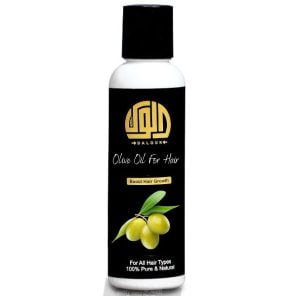
Product on sale
 Original price was: PKR 2,499.PKR 1,999Current price is: PKR 1,999.
How do the antioxidants in olive oil specifically benefit hair health?
The antioxidants in olive oil play a crucial role in maintaining hair health by neutralizing harmful free radicals generated by UV exposure, pollution, and chemical treatments. Vitamin E, in particular, helps improve circulation to the scalp, ensuring that hair follicles receive adequate oxygen and nutrients for optimal growth. Polyphenols protect the hair’s keratin structure from oxidative stress, which can lead to brittleness and breakage. These antioxidants also help preserve the natural pigments in your hair, potentially slowing down the graying process. By regularly applying olive oil, you create a shield against environmental aggressors that can compromise your hair’s integrity, resulting in stronger, more resilient strands that maintain their youthful appearance longer.
How to Properly Apply Olive Oil for Maximum Hair Benefits
Proper application technique is essential to reap the full benefits of olive oil for your hair. Begin by selecting extra virgin olive oil, which retains the highest concentration of nutrients compared to more processed varieties. For a basic treatment, warm 2-4 tablespoons of oil (depending on hair length) in a bowl of hot water until it reaches a comfortable temperature. Apply the oil to dry hair, starting from the mid-lengths and working down to the ends, where damage is typically most severe. Gently massage any remaining oil into your scalp using circular motions to stimulate blood circulation. Cover your hair with a shower cap or warm towel to trap heat, which helps the oil penetrate more deeply, and leave it on for at least 30 minutes before washing with a gentle shampoo.
What is the ideal frequency for olive oil treatments?
The frequency of olive oil treatments depends largely on your hair type and condition. Those with dry, coarse, or damaged hair can benefit from weekly treatments to restore moisture and elasticity. If you have fine or oily hair, bi-weekly applications may be more suitable to avoid weighing down your strands or causing excessive oiliness at the roots. For individuals with normal hair, incorporating olive oil treatments into your routine every 2-3 weeks can help maintain optimal hair health. Pay attention to how your hair responds and adjust accordingly—your hair’s appearance and texture will provide the best indicators of whether you’re over- or under-treating. Remember that consistency is key; regular applications will yield more noticeable and lasting results than sporadic intensive treatments.
Should olive oil be applied to wet or dry hair for best results?
Both wet and hair applications have their benefits, but the choice depends on your specific goals. Applying olive oil to dry hair allows for deeper penetration as the oil can more easily enter the hair shaft when it’s not already saturated with water. This method is particularly effective for intensive conditioning treatments aimed at repairing damage. On the other hand, applying olive oil to damp hair can help lock in moisture after washing, making it an excellent option for those seeking to combat dryness and frizz. When applied to wet hair, the oil forms a seal that prevents moisture from escaping as the hair dries. For a balanced approach, some experts recommend applying a light coat to damp hair as a leave-in treatment and reserving more intensive applications for dry hair before washing.
Pros and Cons of Using Olive Oil for Hair Care
Like any hair treatment, olive oil comes with its own set of advantages and potential drawbacks. On the positive side, this natural ingredient is free from harsh chemicals, affordable, and readily available. Its moisturizing properties can transform dry, brittle hair into soft, manageable tresses, while its antioxidant content helps protect against environmental damage. Additionally, regular use may help reduce dandruff and promote a healthier scalp environment for optimal growth. However, those with fine or naturally oily hair might find that olive oil weighs down their strands or leaves them looking greasy if not used sparingly. Some individuals may also experience scalp irritation or clogged pores if the oil isn’t thoroughly washed out. Understanding these pros and cons will help you determine whether olive oil is the right choice for your specific hair type and concerns.
What are the most significant advantages of incorporating olive oil into a hair care routine?
The most significant advantages of using olive oil for hair include its exceptional moisturizing capabilities, which can restore hydration to even the driest strands. Its ability to penetrate the hair shaft helps reduce protein loss during washing, leading to stronger, more resilient hair over time. The anti-inflammatory properties of olive oil make it an excellent choice for soothing irritated scalps and reducing dandruff. Furthermore, its rich antioxidant content protects hair from oxidative stress, which can lead to premature aging and graying. Unlike many commercial hair products, olive oil is completely natural and free from sulfates, parabens, and synthetic fragrances that can cause sensitivity issues. Its versatility also stands out—it can be used as a pre-shampoo treatment, leave-in conditioner, styling aid, or scalp treatment, making it a multifunctional addition to any hair care regimen.
Are there any potential side effects or drawbacks to be aware of?
While generally safe for most users, olive oil does have potential drawbacks worth considering. Individuals with fine or thin hair may find that this heavy oil weighs down their strands, creating a limp appearance rather than the desired volume. Those with naturally oily scalps might experience increased greasiness or even clogged follicles if the oil is applied too frequently or not thoroughly rinsed out. Some people may develop allergic reactions, though this is relatively rare. Another consideration is the staining potential—olive oil can leave yellowish marks on pillowcases and clothing if not fully absorbed. Finally, improper use can lead to product buildup on the hair shaft, making it feel heavy and dirty despite regular washing. To minimize these drawbacks, it’s essential to use the appropriate amount for your hair type, apply it correctly, and ensure thorough cleansing after treatment.
Olive Oil Varieties: Which Works Best for Different Hair Types?
Not all olive oils are created equal when it comes to hair care applications. Extra virgin olive oil, obtained from the first cold pressing of olives, contains the highest concentration of nutrients and antioxidants, making it ideal for intensive treatments and damaged hair. Virgin olive oil, slightly more refined but still nutrient-rich, offers similar benefits with a lighter texture that may be better suited for fine hair. Light or pure olive oil undergoes more processing, resulting in a product with fewer nutrients but a less greasy feel that some prefer for regular use. Specialty varieties like early harvest olive oil contain higher levels of polyphenols and may provide enhanced protection against environmental damage. Understanding these differences allows you to select the most appropriate olive oil variety for your specific hair type and concerns, maximizing the benefits while minimizing potential drawbacks.
How should olive oil selection differ for curly versus straight hair types?
Curly and straight hair have distinctly different needs when it comes to olive oil selection and application. Curly hair tends to be drier due to the difficulty of natural scalp oils traveling down the spiral structure, making it more receptive to heavier, more nutrient-rich oils like extra virgin olive oil. The intense moisturizing properties help define curl patterns, reduce frizz, and prevent the dreaded “pineapple” effect that occurs when curls become dry and expanded. For straight hair, especially fine varieties, a lighter olive oil or a blend with less heavy oils may be more appropriate to avoid the flat, greasy appearance that can result from using too rich a product. Those with stick-straight hair might benefit from focusing application on the ends where damage typically occurs, while curly-haired individuals can distribute oil more generously throughout their lengths to ensure each curl receives adequate hydration and nourishment.
DIY Olive Oil Hair Treatments You Can Make at Home
Creating your own olive oil hair treatments at home allows you to customize formulations to address your specific hair concerns while avoiding the preservatives and chemicals found in commercial products. A simple deep conditioning mask can be made by combining 2 tablespoons of extra virgin olive oil with one mashed avocado and a teaspoon of honey, creating a nutrient-rich treatment that restores moisture and shine. For those struggling with hair loss, a stimulating scalp treatment can be crafted by mixing olive oil with rosemary essential oil and a pinch of cinnamon powder, which helps increase circulation to the follicles. To combat dandruff and dry scalp, try blending olive oil with tea tree oil and aloe vera gel for its soothing and antimicrobial properties. These DIY treatments can be prepared fresh before each use and customized with different ingredients based on your hair’s changing needs throughout the seasons.
How can olive oil be incorporated into a weekly hair mask routine?
Incorporating olive oil into a weekly hair mask routine can dramatically improve your hair’s health and appearance over time. Begin by selecting a consistent day each week for your treatment, allowing your hair to benefit from regular nourishment. A basic weekly mask can be prepared by warming 3-4 tablespoons of olive oil and adding complementary ingredients based on your current hair needs—honey for moisture, banana for potassium, or yogurt for protein. Apply the mask to clean, damp hair, focusing on the mid-lengths and ends where damage is most prevalent. Cover with a shower cap to trap heat and enhance penetration, leaving the treatment on for 30-60 minutes while you relax or complete other tasks. Rinse thoroughly with lukewarm water, followed by a gentle shampoo if needed to remove any residue. Over time, you’ll notice increased softness, reduced breakage, and enhanced shine as your hair receives consistent nourishment from these weekly treatments.
Combining Olive Oil with Other Natural Ingredients for Enhanced Results
While olive oil is powerful on its own, combining it with complementary natural ingredients can create synergistic effects that address multiple hair concerns simultaneously. When paired with honey, olive oil’s moisturizing properties are amplified, creating an intensive treatment for dry, brittle hair. Adding protein-rich ingredients like egg or yogurt can help rebuild the hair’s structure, making this combination ideal for those with damage from chemical treatments or heat styling. For scalp health, incorporating tea tree oil or aloe vera can enhance olive oil’s anti-inflammatory properties, helping to combat dandruff and irritation. These combinations allow you to create customized treatments that target your specific hair needs, whether that’s boosting growth, increasing shine, or reducing frizz. Understanding which ingredients complement olive oil best will help you create the most effective formulations for your hair type and concerns.
Which essential oils pair well with olive oil for specific hair concerns?
Essential oils can significantly enhance the benefits of olive oil when chosen according to specific hair concerns. For hair growth stimulation, rosemary, peppermint, and cedarwood essential oils are excellent choices due to their ability to improve scalp circulation. Lavender oil pairs beautifully with olive oil for those seeking to reduce stress-related hair loss, as it has calming properties that may help regulate hormones contributing to hair thinning. To combat dandruff and scalp conditions, tea tree oil’s antifungal properties make it an ideal companion to olive oil’s soothing effects. For those looking to enhance shine and luster, a few drops of lemon or chamomile essential oil can add brightening properties while providing a pleasant fragrance. When using essential oils, always dilute them properly—typically 3-5 drops per tablespoon of olive oil—to avoid irritation, and perform a patch test before full application to ensure you don’t have sensitivity to any particular oil.
How can olive oil be combined with protein treatments for damaged hair?

Olive oil can significantly enhance the effectiveness of protein treatments for damaged hair by improving moisture balance and increasing absorption. For a simple yet effective combination, mix one egg (rich in protein and biotin) with two tablespoons of olive oil and a teaspoon of honey to create a balanced protein-moisture treatment. The olive oil helps prevent the protein from making the hair overly brittle, which can occur with protein-only treatments. For those preferring plant-based options, combining olive oil with Greek yogurt or mashed banana provides protein along with moisturizing properties. Another powerful combination involves mixing olive oil with hydrolyzed wheat protein or silk amino acids, which have smaller molecules that can penetrate the hair shaft more easily. When applying these hybrid treatments, focus on the most damaged areas of your hair, typically the mid-lengths and ends, and use gentle heat to enhance penetration. These combined treatments should be used no more than once every 1-2 weeks to avoid protein overload, which can make hair stiff and prone to breakage.
Olive Oil for Specific Hair Concerns
Olive oil’s versatility makes it an effective treatment for a wide range of specific hair concerns beyond general conditioning. For those battling dandruff, the moisturizing properties of olive oil can help reduce the flaking associated with dry scalp conditions, while its anti-inflammatory compounds may soothe irritation. Split ends can be temporarily sealed with regular olive oil applications, which help bind together the frayed cuticle layers, making damage less noticeable and preventing further splitting. Those experiencing hair thinning may benefit from olive oil’s ability to improve scalp health and circulation, creating a better environment for hair growth. Even issues like frizz, lack of shine, and heat damage can be addressed with targeted olive oil treatments. Understanding how to apply olive oil for these specific concerns will help you achieve the best results for your unique hair situation.
How to Apply Olive Oil for Dry Scalp
- Preparation: Ensure your hair is dry before application. Section your hair to facilitate even distribution.
- Application: Using your fingertips or a cotton ball, apply olive oil directly to the scalp. Massage gently in circular motions to enhance absorption.
- Leave-In Time: Allow the oil to work its magic for at least 30 minutes. For an intensive treatment, leave it overnight.
- Shampoo and Rinse: Wash your hair with a mild shampoo, ensuring all the oil is removed. Follow up with conditioner as usual.
Frequency of Treatment
For those battling persistent dry scalp issues, a weekly olive oil treatment can yield significant improvements. Adjust the frequency based on the severity of the condition and the responsiveness of your scalp.
Enhancements for Added Comfort
- Tea Tree Oil Addition: Boost the scalp-soothing power by adding a few drops of tea tree oil to the olive oil.
- Warm Oil Massage: For an extra touch of relaxation, warm the olive oil slightly before application.
By incorporating olive oil into your routine, you not only address the discomfort of a dry scalp but also embark on a holistic journey toward healthier, more vibrant hair.
Can olive oil truly repair split ends or just temporarily improve their appearance?
While olive oil cannot permanently repair split ends—once the hair shaft has split, it cannot be fused back together—it can significantly improve their appearance and prevent further damage. The fatty acids in olive oil penetrate the hair cuticle, helping to temporarily bind together the frayed layers of split ends, making them smoother and less noticeable. This sealing effect also prevents moisture from escaping through the damaged areas, reducing further deterioration. Regular olive oil treatments can also improve the overall elasticity of your hair, making it more resistant to the mechanical stress that causes splitting in the first place. For best results, concentrate olive oil applications on the ends of your hair where splitting typically occurs, and consider trimming the most severely damaged ends while using olive oil to protect the remaining hair. While not a permanent solution, consistent olive oil use can extend the time between trims and keep your hair looking healthier despite existing damage.
Common Mistakes to Avoid When Using Olive Oil for Hair
Despite its benefits, improper use of olive oil can lead to disappointing results or even exacerbate existing hair problems. One common mistake is applying too much oil, which can weigh hair down and make it appear greasy rather than glossy. Another error is using the wrong type of olive oil for your hair type—extra virgin varieties may be too heavy for fine hair, while more processed oils might lack sufficient nutrients for severely damaged hair. Many people also make the mistake of not properly washing out the oil, leading to buildup that can clog follicles and inhibit growth. Applying oil to dirty hair is another pitfall, as the oil can trap dirt and product residue against the scalp, potentially causing irritation. Understanding these common mistakes will help you avoid them and maximize the benefits of olive oil in your hair care routine.
- Deep Hydration: Coconut oil penetrates the hair shaft, providing deep hydration and moisturization from within.
- Hair Strengthening: The unique composition of coconut oil helps reduce protein loss in hair, enhancing its strength and resilience.
- Natural Shine and Luster: Regular use of coconut oil imparts a natural shine to the hair, leaving it looking glossy and vibrant.
- Frizz Control: The moisturizing properties of coconut oil help tame frizz and prevent flyaways, promoting smoother and more manageable hair.
- Scalp Health: Coconut oil’s antifungal and antibacterial properties contribute to a healthier scalp, reducing issues like dandruff and itchiness.
What are the most common application errors people make with olive oil?
The most frequent application errors include using oil that’s too hot, which can burn the scalp and damage the hair cuticle, and applying oil to soaking wet hair, which prevents proper absorption. Many people also make the mistake of only applying oil to the ends of their hair when they have a dry scalp, or conversely, focusing only on the scalp when their ends are damaged. Another common error is not allowing enough time for the oil to work—rushing the treatment by washing it out after just a few minutes won’t provide significant benefits. Some individuals also fail to section their hair before application, resulting in uneven coverage with some areas receiving too much oil while others get none at all. To avoid these mistakes, always test the oil temperature on your wrist before application, apply to damp (not wet) hair for better absorption, tailor the application location to your specific needs, allow at least 30 minutes for treatment, and work in small sections to ensure even distribution.
- Promotes Hair Growth: Castor oil is renowned for its ability to stimulate hair follicles, encouraging hair growth and preventing hair loss.
- Nourishes and Conditions: With its rich composition of fatty acids and vitamins, castor oil deeply nourishes and conditions the hair, leaving it softer and more manageable.
- Prevents Split Ends: Regular application of castor oil can help prevent split ends by strengthening the hair shaft and minimizing breakage.
- Natural Dandruff Treatment: The antifungal and antibacterial properties of castor oil make it an effective natural remedy for dandruff, promoting a healthier scalp.
- Adds Shine and Luster: Castor oil contributes to enhanced shine and luster by smoothing the hair cuticles, resulting in a healthier and more radiant appearance.
How can you tell if you’re using too much or too little olive oil?
Finding the right balance with olive oil application is crucial for optimal results. Signs that you’re using too much oil include hair that appears greasy or weighed down even after washing, a heavy feeling on the scalp, or visible oil residue on pillows and clothing. If your hair feels stiff or crunchy after an olive oil treatment, you’ve likely used an excessive amount. On the other hand, indications that you’re not using enough oil include continued dryness and brittleness despite regular treatments, lack of noticeable improvement in hair texture or shine, or rapid absorption of the oil without leaving any residual feel. As a general guideline, those with short, fine hair should start with 1-2 tablespoons of oil, while individuals with long, thick, or coarse hair may need 3-4 tablespoons for adequate coverage. The right amount should leave your hair feeling soft and nourished without appearing greasy or heavy.
Expert Opinions and Research on Olive Oil for Hair Health
The use of olive oil for hair care isn’t merely based on anecdotal evidence—numerous studies and expert opinions support its efficacy. Dermatologists and trichologists often recommend olive oil as a natural alternative to commercial hair products, particularly for those with sensitivities to chemical ingredients. Research published in the Journal of Cosmetic Science has demonstrated that olive oil can penetrate the hair shaft more deeply than many other oils, providing superior conditioning effects. Studies have also shown that the oleic acid in olive oil can help reduce hair breakage by increasing the hair’s elasticity. Furthermore, the anti-inflammatory properties of compounds like oleocanthal have been documented in dermatological research, supporting olive oil’s use for soothing scalp conditions. While more research is needed to fully understand all mechanisms, the existing scientific evidence provides a solid foundation for olive oil’s role in hair health.
Out Come is Natural
- Deep Hydration: Argan oil is a natural moisturizer that penetrates deep into the hair shaft, providing intense hydration to dry and damaged hair.
- Nourishment and Shine: Packed with essential fatty acids and antioxidants, argan oil nourishes the hair, leaving it soft, shiny, and more manageable.
- Reduced Frizz and Flyaways: The lightweight texture of argan oil helps in smoothing the hair cuticles, minimizing frizz and preventing flyaways for a sleek look.
- Improved Hair Elasticity: Regular use of argan oil can enhance hair elasticity, reducing breakage and promoting overall hair strength.
- Scalp Health: Argan oil’s moisturizing properties extend to the scalp, addressing issues like dryness and itchiness, promoting a healthy foundation for hair growth.
What do dermatologists say about incorporating olive oil into hair care routines?
Dermatologists generally acknowledge the benefits of olive oil for hair care, particularly its moisturizing and protective properties. Dr. Francesca Fusco, a board-certified dermatologist, notes that olive oil’s ability to penetrate the hair shaft makes it especially effective for conditioning and preventing damage. Many dermatologists recommend olive oil for patients with dry, brittle hair or scalp conditions like seborrheic dermatitis due to its anti-inflammatory properties. However, they also caution that those with fine or oily hair should use it sparingly to avoid weighing down their strands or exacerbating oiliness. Some dermatologists suggest that olive oil may be particularly beneficial when used as a pre-shampoo treatment, as it can protect the hair from the stripping effects of detergents in shampoos. Overall, while dermatologists recognize olive oil as a beneficial natural ingredient, they emphasize that individual results may vary based on hair type and condition.
Result Speaks
- Hair Growth Stimulator: Onion oil is renowned for promoting hair growth by nourishing hair follicles with essential nutrients, encouraging stronger and healthier strands.
- Dandruff Control: Its anti-bacterial properties help combat dandruff, contributing to a healthier scalp environment and reducing flakiness.
- Prevention of Hair Thinning: Regular use of onion oil can aid in preventing hair thinning by fortifying hair strands, reducing breakage, and enhancing overall hair density.
- Improved Blood Circulation: Onion oil’s ability to enhance blood circulation to the scalp ensures that hair follicles receive an optimal supply of nutrients, promoting vitality.
- Natural Shine and Softness: The sulfur content in onion oil imparts a natural shine to the hair and helps maintain its softness, contributing to a lustrous and manageable mane.
As we navigate through this oil-based battleground, each elixir brings its unique strengths. In the following section, we’ll guide you on blending these oils for a customized hair care routine. Join us in unraveling the secrets to a luxurious and well-nurtured mane.
What does the latest research reveal about olive oil’s effectiveness for hair growth?
Recent research has provided intriguing insights into olive oil’s potential for promoting hair growth. A 2015 study published in the journal Skin Pharmacology and Physiology found that oleuropein, a compound found in olive oil, demonstrated the ability to prolong the anagen (growth) phase of the hair cycle in animal studies. Another study in the International Journal of Triology highlighted that olive oil’s antioxidant properties could help protect hair follicles from oxidative stress, which is known to contribute to hair aging and thinning. Research has also shown that the anti-inflammatory effects of olive oil compounds may create a healthier scalp environment, which is essential for optimal hair growth. While these findings are promising, experts note that more human clinical trials are needed to fully understand olive oil’s direct impact on hair growth. Nevertheless, the existing research suggests that regular olive oil use may support healthier hair growth when combined with proper nutrition and overall hair care practices.
Unlocking the Secrets Olive Oil
Olive Oil’s Impact In Reality
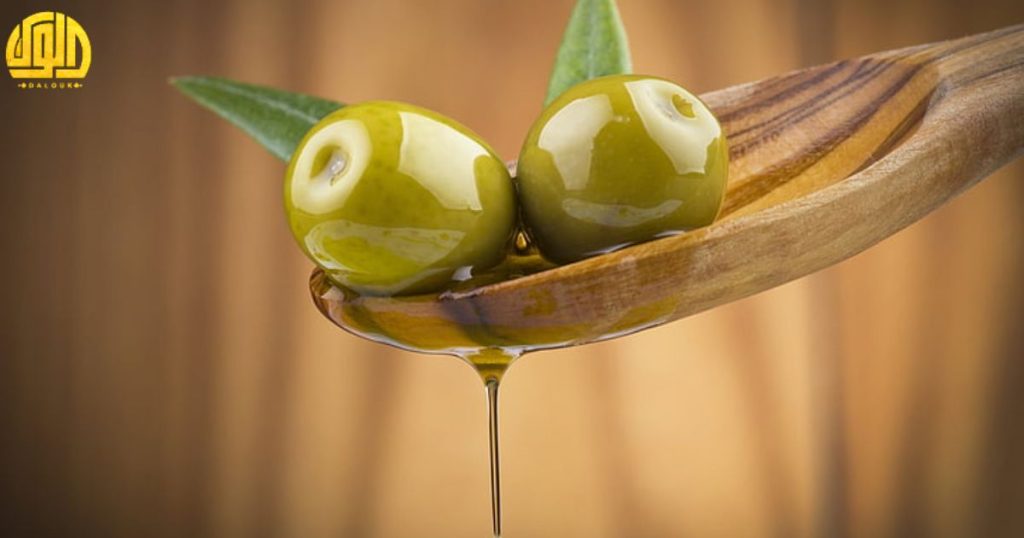
Olive oil, often hailed as a versatile elixir, plays a pivotal role in nurturing hair growth. Its rich composition of antioxidants, vitamins E and K, and essential fatty acids creates an optimal environment for hair follicles. These components work together to strengthen the hair shaft, reduce breakage, and stimulate new hair growth.
The Quest for Thickness Is Olive Oil the Best?
In the pursuit of voluminous locks, the choice of hair oil can significantly impact thickness. Olive oil, with its ability to penetrate the hair shaft and provide intense moisturization, contributes to thicker and more resilient strands. Its lightweight nature ensures that it doesn’t weigh down the hair, allowing for a fuller appearance.
Nourishing the Roots A Holistic Approach
While olive oil is a star player, a holistic approach involves incorporating other beneficial oils like castor oil, almond oil, and black seed oil. Each oil brings its unique set of nutrients, promoting an environment conducive to hair growth and thickness.
As we unravel the mysteries of olive oil’s influence on hair growth and thickness, our journey continues into the realm of comparisons with other oils known for their hair-nourishing properties. Stay with us to make informed choices for your hair care regimen.
Olive Oil Solutions Targeting Common Hair Issues
Tackling Hair Loss with Olive Oil
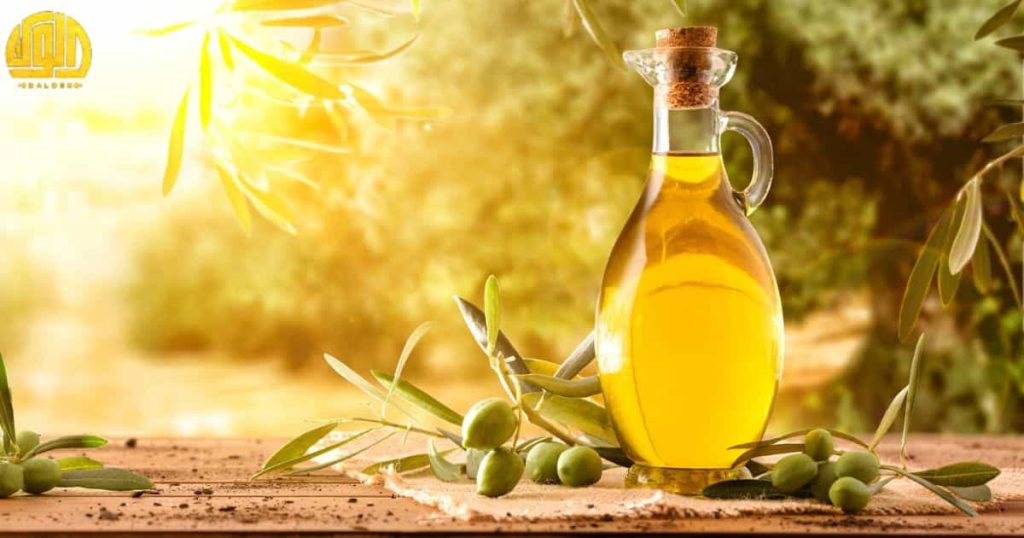
Hair loss is a common concern, and olive oil emerges as a natural ally in combating this issue. Its rich composition of vitamins and antioxidants nourishes the hair follicles, strengthening them from the roots. Regular application of olive oil can help reduce hair breakage and promote a healthier scalp, contributing to the prevention of hair loss.
The Battle Against Dandruff Olive Oil’s Soothing Touch
Dandruff can be both irritating and embarrassing, but olive oil offers a soothing solution. Its moisturizing properties help alleviate dryness on the scalp, reducing the likelihood of dandruff. When combined with other oils such as almond oil or onion oil, the anti-inflammatory and antimicrobial properties are enhanced, providing a comprehensive approach to dandruff control.
Synergies for Hair Health Combining Olive Oil with Other Oils
While olive oil stands as a formidable solo performer, its benefits can be amplified when combined with complementary oils. The unique properties of oils like castor oil, black seed oil, and argan oil create a powerful blend that addresses a spectrum of hair concerns. Our exploration continues into DIY hair masks and treatments, revealing the synergy of these oils in the pursuit of vibrant and healthy hair. Stay tuned to discover the secrets of crafting your personalized hair care rituals.
Crafting a Comprehensive Hair Care Routine with Olive Oil
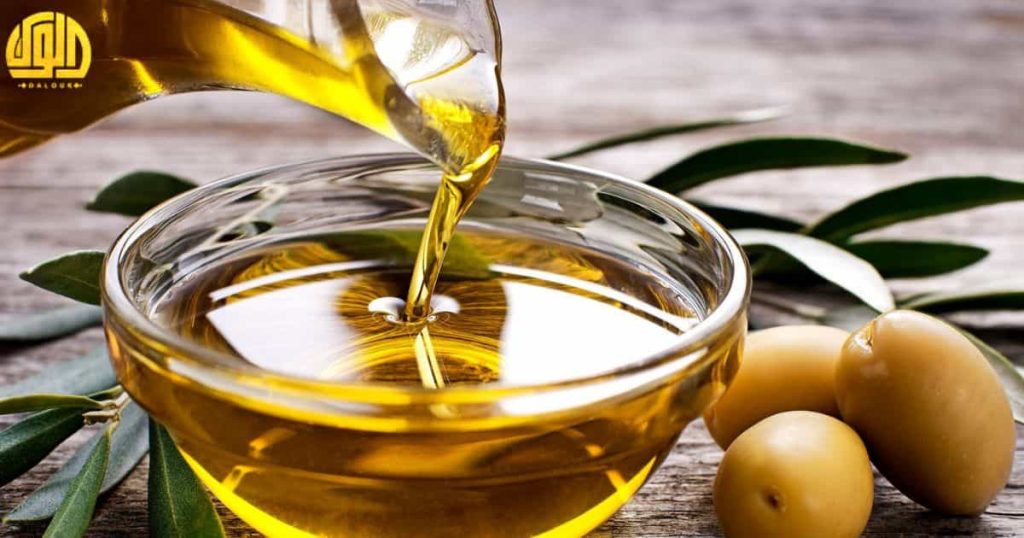
Olive Oil-Infused Shampoos A Refreshing Start
Begin your hair care routine with the nurturing touch of olive oil-infused shampoos. These products offer a gentle yet effective cleansing experience, combining the benefits of olive oil with other natural ingredients. Dive into the world of rejuvenated hair with each wash, embracing the holistic approach to hair care.
DIY Treatments Personalized Olive Oil Elixirs
Elevate your hair care routine by incorporating DIY treatments enriched with olive oil. Explore the versatility of olive oil by combining it with castor oil, almond oil, and other essential oils. Craft personalized elixirs that cater to your hair’s unique needs, providing a luxurious and pampering experience in the comfort of your home.
Weekly Rituals for Hair Nourishment
Integrate olive oil into your weekly rituals for optimal hair nourishment. Whether it’s a relaxing scalp massage or a deep conditioning treatment, olive oil acts as a cornerstone in fortifying your hair. Discover the transformative effects of a consistent and well-rounded hair care routine that revolves around the natural goodness of olive oil.
Embracing Holistic Hair Health
Embrace the holistic approach to hair health by incorporating olive oil into various aspects of your routine. From pre-shampoo treatments to leave-in conditioners, olive oil’s versatility makes it a staple in a well-rounded hair care regimen. Join us as we delve into the intricacies of holistic hair care, where the benefits of olive oil seamlessly blend with other nurturing practices.
Harnessing the Power How to Use Olive Oil for Hair
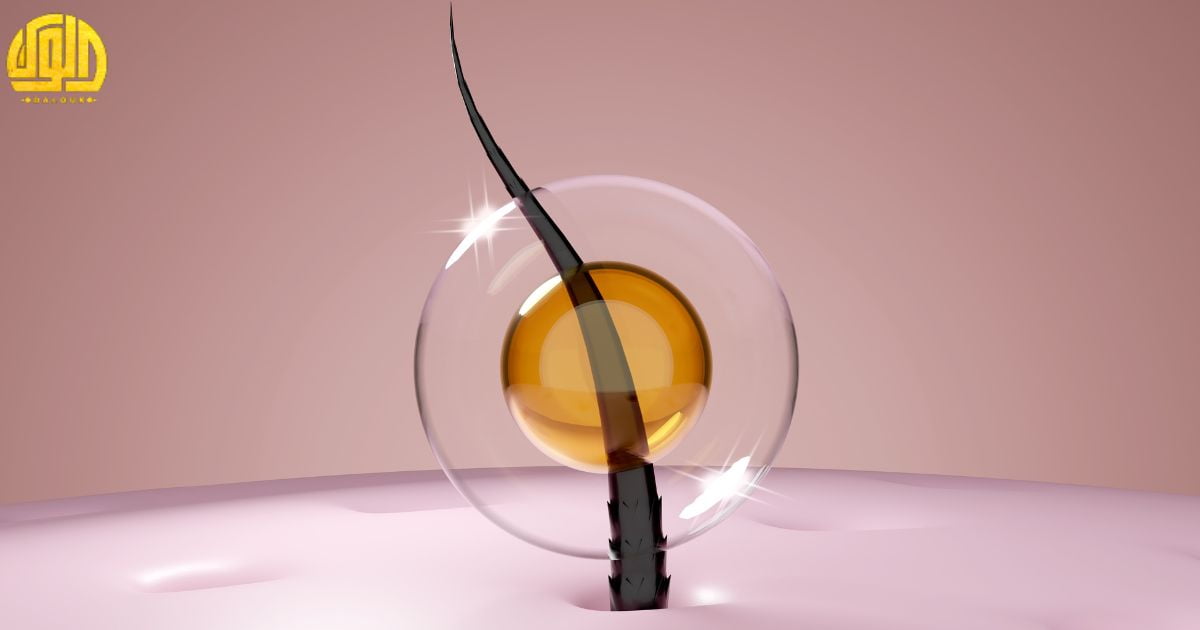
The Basics of Olive Oil Application
To maximize the benefits of olive oil for your hair, it’s crucial to understand the art of application. Begin by choosing a high-quality, extra virgin olive oil – the purest form that retains maximum nutrients. For a nourishing hair mask, warm the olive oil slightly to enhance its penetrative properties.
Step-by-Step Guide for Olive Oil Hair Treatment
- Preparation: Section your hair to ensure even application. Drape a towel over your shoulders to protect your clothing.
- Application: Using your fingertips or a hair applicator brush, start applying the warm olive oil from the roots to the tips. Massage the oil into your scalp using gentle, circular motions to stimulate blood circulation.
- Saturate the Strands: Ensure every strand is coated with the oil. Pay extra attention to the ends, where hair tends to be drier and more prone to damage.
- Wrap and Wait: Once applied, gather your hair and secure it in a bun. Cover your hair with a shower cap or a warm towel. Let the oil work its magic for at least 30 minutes. For a deeper treatment, leave it on overnight.
- Shampoo and Rinse: After the designated time, shampoo your hair thoroughly to remove the oil. You may need to shampoo twice to ensure no residue remains. Follow up with your regular conditioner.
Frequency of Application
For optimal results, use this olive oil treatment once a week. Adjust the frequency based on your hair’s needs and responsiveness to the treatment.
Additional Tips for Usage
- Blending with Essential Oils: Enhance the benefits by adding a few drops of essential oils like lavender or rosemary to the olive oil.
- Heat for Penetration: For a deeper treatment, use a hair steamer or a warm towel to open up the hair cuticles, allowing the oil to penetrate more effectively.
By incorporating these steps into your hair care routine, you unlock the full potential of olive oil, turning it into a rejuvenating elixir for your hair’s health and beauty.
Expert Opinions Olive Oil’s Resounding Approval
Insights from Hair Care Professionals
To provide you with well-rounded perspectives on the efficacy of olive oil for hair, we’ve consulted renowned hair care professionals. According to Dr. Maria Rodriguez, a leading dermatologist specializing in hair health, “Olive oil’s molecular structure allows it to penetrate the hair shaft, providing deep nourishment and moisture. It’s a versatile solution for various hair concerns, from dryness to frizz.”
Celebrity Stylist Recommendations
Celebrity hairstylist David Anderson, whose clientele includes A-listers known for their luscious locks, emphasizes the significance of olive oil. He states, “In the fast-paced world of glamour, olive oil stands out for its simplicity and effectiveness. Many of my clients swear by it for maintaining hair health and promoting a natural shine.”
Wellness Experts Weigh In
Wellness experts, such as nutritionist Dr. Aisha Malik, also recognize the holistic benefits of olive oil. “What you put into your body reflects in your hair health. Olive oil’s nutritional profile supports overall wellness, contributing to stronger, more resilient hair.”
By incorporating expert insights, we aim to provide you with a well-informed perspective on why olive oil is a go-to solution for various hair concerns.
Real Stories, Real Results Olive Oil’s Triumph
Sarah’s Journey to Healthy Locks

Sarah, a long-time advocate for natural hair care, shares her transformative experience with olive oil. “I struggled with dry and dull hair for years. Nothing seemed to work until I discovered the magic of olive oil. Regular applications brought my hair back to life, making it shinier and more manageable.”
John’s Battle Against Hair Loss

For John, addressing hair loss was a priority. “I was skeptical at first, but olive oil, coupled with other essential oils, became a game-changer. My hair feels thicker, and I’ve noticed a significant reduction in hair fall. It’s a simple yet powerful solution.”
Maria’s Encounter with Dandruff

Maria’s persistent battle with dandruff led her to experiment with various remedies. “Olive oil emerged as a winner. Its moisturizing properties eased my itchy scalp, and the dandruff gradually disappeared. Now, my hair feels healthier than ever.”
These testimonials reflect the diverse positive experiences people have had with olive oil. Their stories underscore the versatility and effectiveness of olive oil for addressing different hair concerns.
In Conclusion Embracing Olive Oil for Radiant Tresses
After this enlightening journey through the benefits, comparisons, and real stories surrounding olive oil for hair, it’s evident that this natural elixir deserves a prime spot in your hair care routine. Olive oil’s versatility, coupled with its rich nutrients, makes it a reliable companion for promoting hair health.
The Versatility of Olive Oil
Whether you’re aiming for luscious growth, battling hair loss, or seeking an antidote for dandruff, olive oil stands as a versatile solution. Its compatibility with other oils like coconut, castor, almond, argan, black seed, and onion oil enhances its potency, offering a holistic approach to hair care.
Real Stories, Real Results
The user testimonials shared in this article provide a glimpse into the real and positive impact olive oil has had on individuals. From restoring shine and manageability to addressing specific issues like hair loss and dandruff, these stories attest to the efficacy of incorporating olive oil into your hair care routine.
Making Olive Oil Your Hair Care Ally
In a world filled with hair care products, olive oil emerges as a natural ally. As you embark on this journey to healthier, more vibrant hair, consider embracing the simplicity and authenticity of olive oil. Its benefits go beyond aesthetics, promoting the overall well-being of your hair and scalp.
In conclusion, let olive oil take center stage in your hair care regimen. Your tresses deserve the nourishment and care that this liquid gold can provide. Make the switch, experience the difference, and revel in the beauty of naturally radiant hair.

Dr. Fazila Abbas stands as a distinguished expert in the realm of skincare and haircare, bringing a wealth of knowledge and experience to her esteemed position as a specialist. With a fervent dedication to the science of dermatology, Dr. Abbas has carved a niche as a trusted advisor in the pursuit of radiant skin and healthy hair.
Her academic journey includes rigorous training in dermatological sciences, where she honed her skills and gained profound insights into the intricacies of skincare and haircare. Dr. Fazila’s holistic approach to beauty emphasizes the integration of medical expertise with personalized care, ensuring that each individual receives tailored solutions for their unique needs. As a respected professional, she continues to contribute to the field through research, innovative treatments, and a commitment to empowering others to look and feel their best. Driven by a passion for transformative skincare and haircare, Dr. Fazila Abbas stands as a beacon of excellence in the world of dermatology.