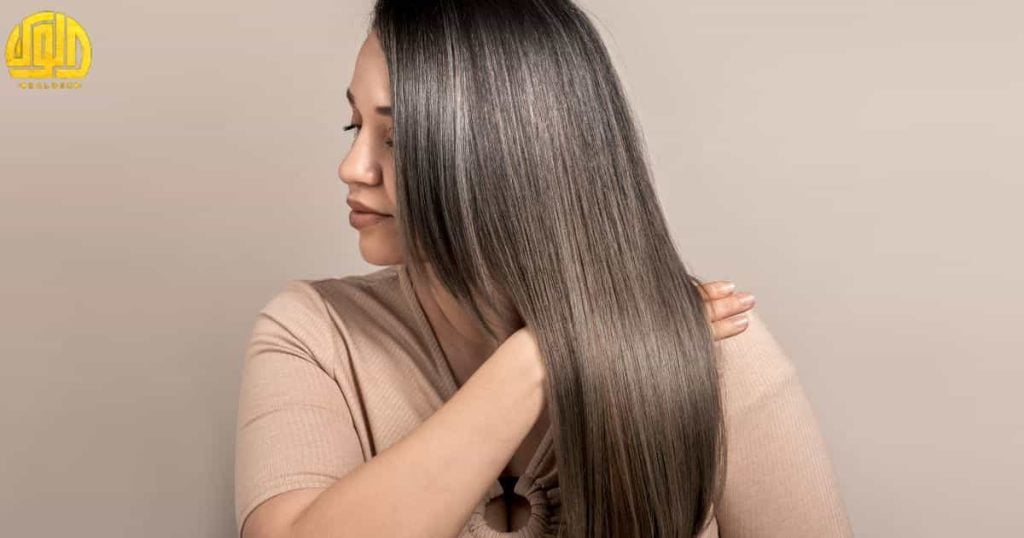
No, oiling your hair does not cause hair loss. The hairs you see coming out while you oil are almost always hairs that were already loose and ready to shed anyway. Gentle oiling actually helps reduce breakage and supports a healthy scalp, which is good for your hair, not bad. The worry comes from seeing hairs on your hands during a massage, but that is normal daily shedding becoming visible, not new hair fall caused by the oil. This guide clears up the myths and shows you how to oil safely. For the right products, see our best hair oil in Pakistan guide.

Why do you see hair fall when you oil your hair?
Every person naturally sheds around fifty to a hundred hairs a day. Most days you do not notice, because they fall out gradually and get washed or brushed away. When you oil and massage your scalp, all of that day of loose hairs comes out together in your hands, which makes it look like the oil caused a sudden loss. In reality, those hairs had already separated from the scalp and were on their way out. The massage simply gathered them in one place. This is completely normal and not a sign that oil is harming your hair.
Does oiling actually cause hair loss?
No. There is no evidence that applying a natural oil to your scalp makes healthy hair fall out. Oiling nourishes the scalp and conditions the hair so it breaks less, both of which help you keep the hair you have. The myth persists only because of the visible shedding during a massage. As long as you are gentle, the oil itself is doing good, not harm. The one exception is technique, which we cover below, where rough handling rather than the oil can cause breakage.
Do coconut and olive oil cause hair fall?
This is another common myth, and the answer is no. Coconut oil is one of the best studied oils for reducing protein loss and breakage, and olive oil is deeply conditioning for dry hair. Neither causes hair to fall out. If anything, they help protect the hair. As with any oil, the visible shedding during application is just normal loose hair, and using too much oil or scrubbing hard is what can occasionally cause breakage, not the oil itself. Read more in our coconut oil guide.

Can oiling reduce hair fall?
Yes, in the right way it can genuinely help. A nourished scalp and well conditioned hair break less, so you lose fewer hairs to snapping and damage. Oils like onion are widely used in Pakistan specifically to support hair fall reduction and growth, and a gentle scalp massage improves blood flow to the roots. For the best results against hair fall, pair an onion hair oil with an anti hair fall shampoo, and keep up the routine for a couple of months.
The real causes of hair fall
If you are losing more hair than normal, the cause is usually not your oil. The common real reasons include:
- Stress, illness or a recent fever, which can trigger temporary shedding.
- Poor diet, low iron or vitamin deficiencies.
- Hormonal changes, including after pregnancy or with thyroid issues.
- Harsh chemical treatments, tight hairstyles and excessive heat.
- Genetics, which drives pattern hair loss in many men and women.
Because the causes are varied, the fix is usually about overall health and gentle care, with oiling as one supportive part of the routine.
Oiling and hair fall: myth versus fact
| Myth | Fact |
|---|---|
| Oiling makes hair fall out | The hairs you see were already loose; oiling did not cause them |
| Coconut oil causes hair loss | Coconut oil reduces breakage and helps protect hair |
| You should stop oiling if hair falls | Gentle oiling supports the scalp; rough handling is the real risk |
| Oil can regrow a bald patch | Oil supports existing hair and roots, it cannot create new ones |
When can oiling harm your hair?
Oiling is safe, but a few habits can cause breakage, and people sometimes blame the oil. Scrubbing the scalp roughly, combing oiled hair hard, using far too much oil, or leaving heavy oil in for days can stress the strands. An allergic reaction to a particular oil can also cause irritation, which is why a patch test matters. Fix the technique, not the oil: massage gently, use a small amount, comb softly with a wide tooth comb, and wash out within a day.
How to oil without causing breakage
- Use a small amount of oil, warmed so it spreads easily.
- Massage the scalp gently with your fingertips, never your nails.
- Detangle softly with a wide tooth comb, working from the ends up.
- Do not leave heavy oil in for days; wash it out within a day.
- Patch test any new oil to rule out a reaction.
When to see a doctor about hair fall
Oiling supports everyday hair health, but it is not a treatment for a medical problem. If you are losing hair in clear patches, seeing a widening parting or thinning crown, or shedding suddenly and heavily, it is worth seeing a doctor or dermatologist. These can point to causes like iron deficiency, thyroid issues or pattern hair loss that need proper treatment. Natural oils are a lovely part of a healthy routine, but knowing when to get professional help is just as important.
What the research says
Medical sources are clear that everyday hair shedding is normal and that the main drivers of real hair loss are genetics, health, hormones and stress, not hair oil. You can read more about the causes of hair loss through the United States National Library of Medicine at PubMed, and about the condition in general on the hair loss page on Wikipedia. The reassuring takeaway is that gentle oiling is a friend to your hair, not the cause of your shedding.
So you can oil your hair with confidence. The hairs you see during a massage are normal loose hairs, not damage from the oil. Be gentle, use a suitable oil, keep up the routine, and oiling will help your hair stay stronger and healthier.
How much hair fall is normal?
It helps to know what normal looks like so you do not worry unnecessarily. Losing roughly fifty to a hundred hairs a day is completely normal for a healthy adult. You are more likely to notice this on wash days and oiling days, when several days of loose hairs can come out at once, so a bigger clump on those days is usually nothing to fear. What matters is the trend over weeks, not a single day. If your hair still looks full and your parting is not widening, the shedding you see is almost certainly just normal turnover, and your oiling routine is doing no harm at all.
Diet, iron and hair fall
One of the biggest hidden causes of extra shedding is nutrition, not hair products. Low iron, low protein, crash dieting and missing vitamins can all push more hairs into the shedding phase. In Pakistan, iron deficiency in particular is a very common reason for hair fall, especially in women. Eating enough protein, iron rich foods, fruits and vegetables, and drinking plenty of water does more for hair fall than any single oil. Think of oiling as the outside care and a balanced diet as the inside care, working together.
Stress, illness and seasonal shedding
Your hair reflects what is happening in your body. A stressful period, a high fever, an illness, surgery or childbirth can all trigger a wave of shedding that shows up a few weeks or months later, then settles on its own. Many people also notice a little extra shedding in certain seasons, which is normal. During these times, gentle oiling and good nutrition support your hair while it recovers. The shedding is temporary and is driven by the body, not by your hair oil, so there is no need to stop oiling.
How long before oiling shows a difference?
Patience is key with anything to do with hair. Because hair grows slowly and the shedding cycle takes time to settle, you should give a consistent oiling routine at least two to three months before judging it. In the first few weeks you may notice softer, stronger feeling hair and less breakage on your brush, and over a couple of months you may see healthier looking length and, with a growth oil, fine new hairs at the hairline. Stopping after two weeks is the most common reason people feel oiling did not work.
A simple anti hair fall routine
- Oil the scalp gently with an onion based blend two to three times a week.
- Wash with a sulphate free anti hair fall shampoo.
- Eat enough protein, iron and vitamins, and stay hydrated.
- Be gentle when detangling, and avoid tight styles and excess heat.
- Manage stress and sleep well, and see a doctor if shedding is heavy or patchy.
Final reassurance
If there is one thing to take away, it is this: you do not need to fear oiling your hair. The hairs you see during a massage are normal, your oil is helping rather than harming, and the real levers for hair fall are health, diet, stress and gentle handling. Keep oiling gently and regularly, look after yourself from the inside, and get medical advice if the shedding is sudden, heavy or patchy. With that balanced approach, your hair is in good hands, and a nourishing oil like the Dalouk Onion Hair Oil becomes a helpful friend rather than a worry.
Does oiling help men with hair fall?
Men often worry that oiling speeds up hair loss, especially at the temples and crown. It does not. Male pattern hair loss is driven by genetics and hormones, not by hair oil, so oiling neither causes it nor makes it worse. What gentle oiling can do is keep the hair you have healthier, stronger and less prone to breakage, while a scalp massage supports blood flow to the roots. For genuine pattern baldness, medical options work best, but as part of everyday care, a light, regular oiling routine is perfectly safe and beneficial for men.
Frequently asked questions
Does oiling cause hair fall?
No. Oiling does not cause hair loss. The hairs that come out during a massage are normal loose hairs that were already ready to shed, gathered together by the massage.
Why does my hair fall when I apply oil?
Because massaging collects a whole day of naturally loose hairs at once, so normal shedding becomes visible. The oil did not cause it.
Does coconut oil cause hair loss?
No. Coconut oil reduces protein loss and breakage and helps protect the hair. It does not make healthy hair fall out.
Can oiling reduce hair fall?
Yes. By nourishing the scalp and conditioning the hair so it breaks less, oiling supports fewer losses, especially an onion oil used with an anti hair fall shampoo.
When should I see a doctor about hair fall?
See a doctor if you lose hair in patches, notice a widening parting or thinning crown, or shed suddenly and heavily, as these may need medical treatment.

Dr. Fazila Abbas stands as a distinguished expert in the realm of skincare and haircare, bringing a wealth of knowledge and experience to her esteemed position as a specialist. With a fervent dedication to the science of dermatology, Dr. Abbas has carved a niche as a trusted advisor in the pursuit of radiant skin and healthy hair.
Her academic journey includes rigorous training in dermatological sciences, where she honed her skills and gained profound insights into the intricacies of skincare and haircare. Dr. Fazila’s holistic approach to beauty emphasizes the integration of medical expertise with personalized care, ensuring that each individual receives tailored solutions for their unique needs. As a respected professional, she continues to contribute to the field through research, innovative treatments, and a commitment to empowering others to look and feel their best. Driven by a passion for transformative skincare and haircare, Dr. Fazila Abbas stands as a beacon of excellence in the world of dermatology.