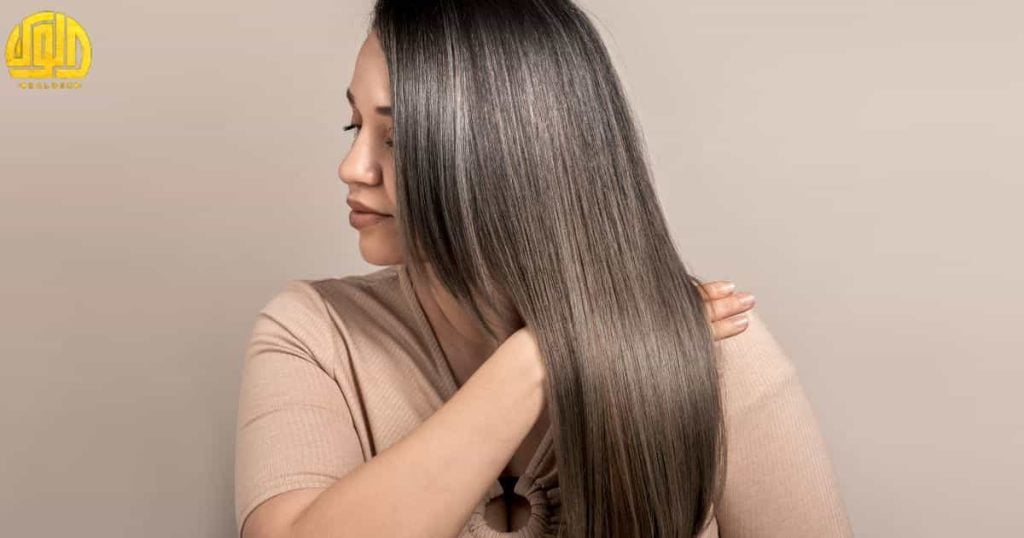
Argan oil is a light, fast absorbing oil that gives hair shine, smooths frizz and is gentle enough for coloured and bleached hair. Often called liquid gold, it comes from the argan tree in Morocco and works best as a finishing oil on the lengths and ends rather than a heavy scalp treatment. This guide explains the benefits of argan oil for hair, how to use it, whether it is safe for colour treated hair, and the argan oil price in Pakistan. For the wider picture, see our complete guide to hair oils and best hair oil in Pakistan.

What is argan oil?
Argan oil is pressed from the kernels of the argan tree, which grows mainly in Morocco. Unlike thick, heavy oils, argan is light and absorbs quickly, so it does not leave hair greasy. It is rich in vitamin E and healthy fatty acids, which is why it is a favourite in salons for adding a glossy, smooth finish. In Pakistan it is usually sold under the same name, since it is an imported oil rather than a traditional local one.
Benefits of argan oil for hair
Argan oil is prized for the finishing touches that make hair look cared for and healthy.
- Tames frizz and smooths flyaways, especially in humid weather.
- Adds a natural, glossy shine without heaviness.
- Light enough for fine hair that other oils weigh down.
- Rich in vitamin E and fatty acids that soften the hair.
- Gentle on coloured and chemically treated hair.
If you want to compare it with richer oils, our coconut oil and almond oil guides are a helpful next read.
Is argan oil good for hair, and does it work?
Yes. Argan oil will not dramatically change how fast your hair grows, but it is one of the best oils for the surface health of the hair. By smoothing the outer layer of each strand, it reduces frizz, boosts shine and helps hair resist damage from heat and styling. Its reputation rests on both long use and its well studied nourishing fatty acids. You can browse the published research through the United States National Library of Medicine at PubMed.
How to use argan oil for hair
Argan oil is very easy to use because a tiny amount goes a long way. There is no need to dilute it.
- Put two or three drops into your palms and rub them together.
- Smooth the oil through damp or dry mid lengths and ends.
- Avoid drowning the roots, since argan is best on the lengths.
- Use it as a leave in finisher after washing, or before heat styling for protection.
- For a deeper treatment, apply more and leave it in for an hour before washing.
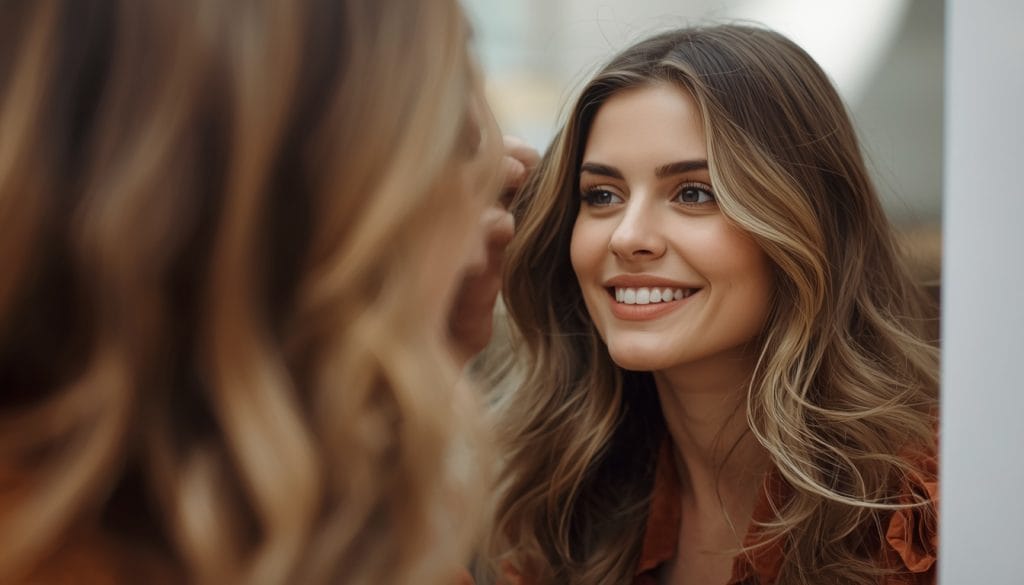
Is argan oil safe for colour treated and bleached hair?
Argan oil is one of the safest oils for coloured, dyed and bleached hair. It is gentle, it does not strip colour, and it helps restore the softness and shine that colouring and bleaching remove. Apply a few drops to damp or dry lengths, keeping it mostly off the roots. For a full breakdown of which oils protect coloured hair, see our best hair oil for colour treated hair guide.
Argan oil for different hair types
Fine or oily hair
Argan is ideal for fine hair because it is so light. Use just one or two drops on the ends so the hair stays bouncy and never greasy.
Dry, frizzy or curly hair
Dry and curly hair loves argan for its smoothing shine. Use a little more, work it through the lengths, and it will define curls and calm frizz without weighing them down.
Coloured hair
Because it is so gentle, argan is a perfect everyday finisher for coloured hair, helping keep the colour looking soft and glossy for longer.
Pure argan oil versus blends
For the best results, look for pure argan oil or a blend where argan is high on the ingredient list. Cheaper products sometimes mix a drop of argan into mostly filler oils, so read the label. A small bottle of good quality argan lasts a long time because you only use a few drops at a time.
Argan oil price in Pakistan and where to buy
Pure argan oil sits at the premium end because of how it is harvested by hand in Morocco, while blends are more affordable. A little goes a long way, so even a small bottle lasts. Dalouk is expanding its single oil range, and in the meantime you can explore our current natural oils with free delivery and cash on delivery on the best hair oil in Pakistan guide.
Precautions and safety
Argan oil is gentle and suits almost everyone, but a few simple habits help. Start with a small amount to avoid a greasy look, keep it away from the eyes, and patch test if you have very sensitive skin or a nut sensitivity, since argan comes from a tree nut kernel. Store the bottle in a cool, dark place so the oil stays fresh. To learn more about the oil and the tree it comes from, see the argan oil page on Wikipedia.
Can you mix argan oil with other oils
Yes. Argan blends beautifully with other oils. A drop of argan added to a richer coconut or almond treatment lightens the feel and adds shine, while argan on its own is perfect as a final finishing step after a heavier oil has been washed out. Some people also add a drop to their leave in conditioner for extra smoothness.
Signs your argan oil routine is working
Argan gives quick, visible results compared with growth oils. Within days you should notice smoother, shinier hair with less frizz and softer ends. Over a few weeks of regular use, coloured hair holds its shine longer and heat styled hair looks less dry and damaged. Because argan works on the surface of the hair, the change is easy to see and feel almost straight away.
Common mistakes to avoid with argan oil
- Using too much, which makes fine hair look greasy.
- Applying it heavily at the roots instead of the lengths and ends.
- Buying a cheap blend that contains very little real argan.
- Expecting it to speed up growth, when its strength is shine and smoothness.
- Storing it in sunlight, which shortens its life.
Setting realistic expectations with argan oil
Argan oil is a finishing and protecting oil, not a growth treatment. It makes your hair look and feel healthier by smoothing the surface, taming frizz and adding shine, and it protects against heat and colour damage. For growth and hair fall you would pair it with an onion or rosemary based routine. Used as a daily or every other day finisher, argan is one of the simplest ways to keep hair looking glossy, soft and well cared for.
Argan oil for heat protection and styling
Many people in Pakistan use blow dryers, straighteners and curling tools, all of which dry out and weaken the hair over time. A few drops of argan oil smoothed through the lengths before styling forms a light, protective layer that helps shield the hair from some of that heat damage while adding a polished, glossy finish. It also works beautifully after styling to smooth any frizz and lock in shine. Because it is so light, it does not make the hair limp or greasy, which is why so many salons reach for it as a finishing product. If you use heat tools often, keeping a small bottle of argan oil on your dressing table is one of the easiest ways to keep styled hair looking healthy.
Argan oil for the scalp and skin
While argan is mostly used on the lengths, it is also gentle and nourishing for a dry scalp and even for the skin. A light scalp massage with argan can soothe dryness and flaking without clogging the roots, and the same bottle can double as a hand, cuticle and face oil thanks to its high vitamin E content. This versatility makes it a good value buy, since one bottle serves several needs. Just remember that for a dry scalp you only need a small amount worked in gently, followed by your normal wash.
How argan compares to other shine oils
When it comes to shine and frizz control, argan competes with lighter oils like jojoba and finishing serums. Argan tends to give the glossiest finish and the richest feel of the light oils, while jojoba is the most scalp friendly and closest to natural sebum. Serums often contain silicones that coat the hair for instant shine but do not nourish it. If you want a natural product that both smooths and feeds the hair, argan is one of the best choices, which is why it has earned its liquid gold nickname.
Fitting argan oil into your routine
Argan is a daily or every other day finishing oil rather than a weekly deep treatment. The simplest routine is to smooth two or three drops through damp ends after every wash, and a drop through dry hair on other days whenever frizz appears or before heat styling. Once a week you can use a little more as a nourishing pre wash treatment left in for an hour. This easy habit keeps the hair glossy and smooth all week, and because you use so little each time, a bottle lasts for months.
A note on quality and buying smart
Because pure argan is costly to produce, the market is full of watered down blends. To buy smart, choose a product that lists argan oil as the main ingredient, comes in a dark glass bottle that protects it from light, and has a light, natural, slightly nutty smell rather than a strong perfume. Paying a little more for genuine, cold pressed argan is worth it, since you use only a few drops at a time and the results on shine and smoothness are far better than a cheap imitation.
Frequently asked questions
Is argan oil good for hair
Yes. Argan oil smooths frizz, adds shine and softens the hair. It is light, absorbs quickly and is gentle enough for daily use as a finishing oil.
Is argan oil safe for coloured hair
Yes. Argan oil is one of the safest choices for coloured and bleached hair because it does not strip dye and helps restore softness and shine.
How do I use argan oil for hair
Rub two or three drops between your palms and smooth them through damp or dry mid lengths and ends. Avoid the roots, and use it as a leave in finisher or before heat styling.
Can I use argan oil every day
Yes. Argan is light enough for daily use on the lengths and ends. Just use a small amount so the hair does not feel greasy.
What is argan oil in Urdu
Argan oil is usually known by the same name in Urdu, since it is imported from Morocco and does not have a traditional local name like zaitoon or badam.
Related guides: learn how to oil your hair the right way and how to mix hair oils for growth.

Dr. Fazila Abbas stands as a distinguished expert in the realm of skincare and haircare, bringing a wealth of knowledge and experience to her esteemed position as a specialist. With a fervent dedication to the science of dermatology, Dr. Abbas has carved a niche as a trusted advisor in the pursuit of radiant skin and healthy hair.
Her academic journey includes rigorous training in dermatological sciences, where she honed her skills and gained profound insights into the intricacies of skincare and haircare. Dr. Fazila’s holistic approach to beauty emphasizes the integration of medical expertise with personalized care, ensuring that each individual receives tailored solutions for their unique needs. As a respected professional, she continues to contribute to the field through research, innovative treatments, and a commitment to empowering others to look and feel their best. Driven by a passion for transformative skincare and haircare, Dr. Fazila Abbas stands as a beacon of excellence in the world of dermatology.