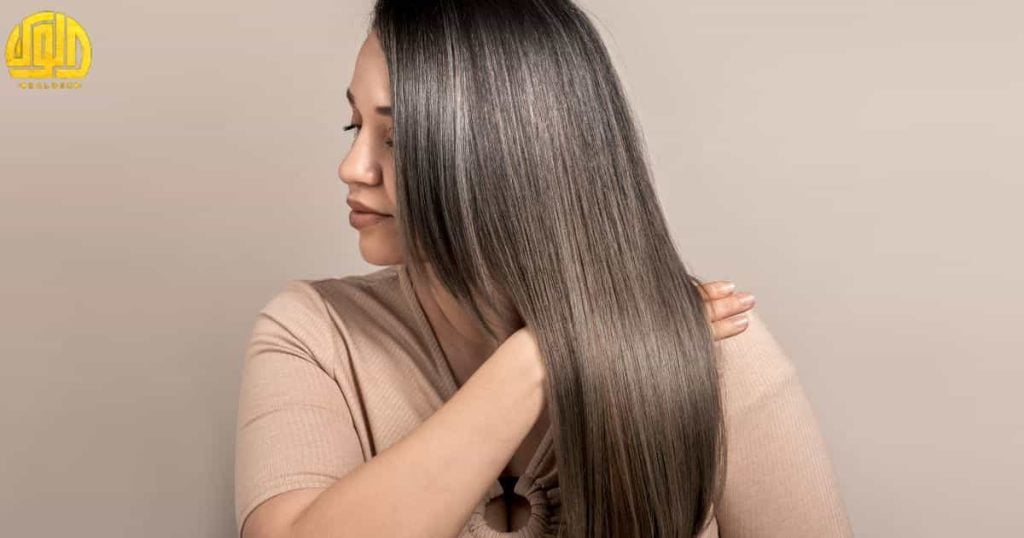
Yes, you can oil chemically treated hair, but you should wait the right amount of time and use a light, gentle oil. After a keratin treatment or rebonding, wait about two weeks before oiling so the treatment sets. On coloured hair you can oil almost straight away with a gentle oil like argan. After a hair transplant, always follow your surgeon and wait until they say it is safe. Treated hair is more fragile, so oiling done correctly actually helps by adding back the moisture these treatments strip away. This guide explains exactly what to do for each case. For the right products, see our best hair oil in Pakistan guide.

Can you oil your hair after a keratin treatment?
Yes, but wait about two weeks. A keratin treatment coats the hair, and it needs time to set fully, so oiling too soon can interfere with the results and shorten how long the treatment lasts. After those first two weeks, a light oil used on the lengths, not soaked into the roots, helps keep keratin treated hair soft and shiny. Choose a light oil such as argan and avoid heavy, greasy oils that could weigh the treatment down. Always wash gently with a sulphate free shampoo to protect the treatment.
Can you oil your hair after rebonding or straightening?
The advice is similar to keratin. After rebonding or permanent straightening, wait around two weeks before oiling so the chemical process settles and the straight finish holds. Once that time has passed, a light oil helps restore the moisture that straightening removes, keeping the hair from looking dry and brittle. Apply it mainly to the mid lengths and ends, leave it for an hour, and wash gently. Avoid heavy oiling right at the roots, and never use very hot tools on oiled, freshly straightened hair.
Can you oil coloured or dyed hair?
Yes, and it is actually good for it. Colouring and bleaching open up the hair and remove moisture, leaving it dry, so a gentle oil helps restore softness and shine. Argan oil is the safest choice because it is light and does not strip dye. You can start oiling within a day or two of colouring; just keep the oil mostly on the lengths and use a colour safe, sulphate free shampoo. For a full breakdown of which oils protect colour, see our best hair oil for colour treated hair guide and our argan oil for hair guide.

Can you oil your hair after a hair transplant?
Here you must be extra careful and follow your surgeon above all else. In the first weeks after a hair transplant, the scalp is healing and the new grafts are delicate, so you should not apply any oil until your doctor clearly says it is safe, usually after the healing period. Once cleared, a gentle oil massage can support the scalp, but the timing and method should come from your clinic, not a general guide. When in doubt, always ask your transplant surgeon first.
When to start oiling after each treatment
This quick table sums up the safe waiting times. Always follow professional advice for medical procedures.
| Treatment | When to start oiling | Best oil |
|---|---|---|
| Hair colour or dye | 1 to 2 days | Argan (light) |
| Keratin treatment | About 2 weeks | Light oil on lengths |
| Rebonding or straightening | About 2 weeks | Light oil on lengths |
| Hair transplant | Only when your surgeon says | As advised by clinic |
Can you apply hair colour or henna on oiled hair?
It is best not to. Oil creates a light barrier on the hair, which can stop hair colour or dye from taking evenly, leaving patchy results. For the best colour, apply dye to clean, dry, oil free hair. Henna is a little more forgiving, and some people do apply it over lightly oiled hair, but for the most reliable colour, wash the oil out first. If you like to oil your hair, do it after colouring has settled, not right before.
Can you apply a hair mask or egg on oiled hair?
A hair mask works best on clean hair, because a layer of oil can block the mask from absorbing properly, so it is better to wash first or apply the mask before oiling. Egg masks are the same; the egg needs to reach the hair to condition it. A sensible order is oil and massage first as a pre wash treatment, wash it out, then use a mask on the clean, damp hair if you want an extra boost. Layering everything on top of oil at once usually just makes a mess without adding benefit.

Best oils for chemically treated hair
Light, gentle oils are the winners for treated hair. Argan is the top choice for shine and softness without stripping colour or weighing down a treatment. Coconut and almond oil work well as gentle pre wash treatments to restore moisture. Read more in our argan, coconut and almond oil guides. Avoid very heavy oiling at the roots on treated hair, and always pair oiling with a sulphate free, colour safe wash.
How to oil treated hair safely
- Wait the recommended time after your treatment before oiling.
- Choose a light oil such as argan, and warm a small amount.
- Apply mainly to the mid lengths and ends, going easy on the roots.
- Leave it for about an hour rather than heavy overnight soaking.
- Wash out gently with a sulphate free, colour safe shampoo.
A note on caring for treated hair
Chemically treated hair is beautiful but more fragile, so gentleness is everything. Alongside careful oiling, use less heat, wash with lukewarm water, choose sulphate free products, and get regular trims to keep the ends healthy. If you are ever unsure about a specific treatment, your stylist knows your hair best. You can read more about how these processes change the hair on the hair straightening page on Wikipedia.
What the research says about hair and cosmetics
Studies on hair cosmetics confirm that chemical treatments like colouring, straightening and perming weaken the hair by changing its structure and removing moisture and protein, which is exactly why gentle conditioning with the right oil helps. You can explore the published research through the United States National Library of Medicine at PubMed. The takeaway is simple: treated hair needs extra moisture and care, and a light, well timed oiling routine is one of the best ways to give it.
Oiling and chemical treatments can absolutely work together. Respect the waiting times, keep the oil light and mostly on the lengths, and wash gently, and your treated hair will stay soft, shiny and healthy for longer.
Why treated hair needs oil more, not less
It is a common myth that you should keep all oil away from chemically treated hair. In reality, treatments like colouring, bleaching, keratin and straightening work by opening up the hair and stripping out its natural moisture and some of its protein, which is exactly why treated hair so often feels dry, rough and brittle. A gentle, well timed oil puts some of that lost softness back and helps the hair look healthy for longer. The key words are gentle and well timed. You are not soaking the hair in heavy oil right after a treatment; you are giving it a light, nourishing drink once the treatment has settled.
Signs your treated hair is crying out for oil
Treated hair usually tells you when it needs care. The signs include a dry, straw like feel, dullness and loss of shine, more tangles and breakage than usual, and split, frizzy ends. If you notice these, a light oil treatment on the lengths, once or twice a week, can bring back softness and manageability. Because treated hair is fragile, always be gentle when detangling, work from the ends upwards, and never brush it hard when it is wet.
A simple routine for chemically treated hair
A good routine keeps treated hair looking salon fresh for longer. Wash two or three times a week with a sulphate free, colour safe shampoo, and always follow with a conditioner. Once or twice a week, use a light oil like argan on the lengths as a pre wash treatment or a small leave in finish. Use heat tools sparingly and always with a heat protectant, sleep on a smooth pillowcase to reduce friction, and book regular trims to keep the ends healthy. This gentle rhythm protects your investment in the treatment.
Mistakes to avoid with treated hair
- Oiling too soon after keratin, rebonding or a transplant, before it has settled or healed.
- Using heavy oils at the roots, which can weigh down a treatment.
- Applying oil right before colouring, which causes patchy results.
- Washing with harsh sulphate shampoos that strip colour and moisture.
- Using high heat on oiled, freshly treated hair.
Final thoughts on oiling treated hair
You do not have to give up oiling just because your hair is coloured, straightened or keratin treated. You simply adjust the timing, keep the oil light, focus on the lengths, and wash gently. Done this way, oiling becomes one of the best things you can do to keep fragile, treated hair soft, shiny and strong. When it comes to any medical procedure like a transplant, let your professional guide the timing, and for everyday colour and styling, a gentle argan based routine will serve you well.
Pair oiling with sulphate-free washing
One habit doubles the benefit of oiling treated hair: switching to a sulphate free shampoo. Ordinary shampoos often contain harsh sulphates that strip colour and moisture, undoing the good your oil treatment does and fading your colour faster. A gentle, sulphate free, colour safe shampoo cleans the hair without that harsh stripping, so the softness and shine from your oil last much longer. Together, a light weekly oil treatment and a gentle wash routine are the simplest, most affordable way to keep coloured, keratin treated or straightened hair looking freshly done for weeks longer.
Frequently asked questions
Can you oil your hair after keratin treatment?
Yes, but wait about two weeks so the treatment sets. Then use a light oil on the lengths, not soaked into the roots, and wash with a sulphate free shampoo.
Can you oil coloured hair?
Yes. Colouring dries the hair, so a gentle oil like argan restores softness and shine. You can start within a day or two, keeping the oil mostly on the lengths.
How long after rebonding can I oil my hair?
Wait about two weeks after rebonding or straightening so the process settles, then use a light oil on the lengths and avoid heavy roots.
Can I apply hair colour on oiled hair?
It is best not to, because oil can stop the colour taking evenly and cause patchy results. Colour clean, dry hair, and oil afterwards once it has settled.
Is oiling safe after a hair transplant?
Only when your surgeon says so. The healing scalp and new grafts are delicate, so always follow your clinic and do not oil until they clear it.

Dr. Fazila Abbas stands as a distinguished expert in the realm of skincare and haircare, bringing a wealth of knowledge and experience to her esteemed position as a specialist. With a fervent dedication to the science of dermatology, Dr. Abbas has carved a niche as a trusted advisor in the pursuit of radiant skin and healthy hair.
Her academic journey includes rigorous training in dermatological sciences, where she honed her skills and gained profound insights into the intricacies of skincare and haircare. Dr. Fazila’s holistic approach to beauty emphasizes the integration of medical expertise with personalized care, ensuring that each individual receives tailored solutions for their unique needs. As a respected professional, she continues to contribute to the field through research, innovative treatments, and a commitment to empowering others to look and feel their best. Driven by a passion for transformative skincare and haircare, Dr. Fazila Abbas stands as a beacon of excellence in the world of dermatology.